Puffins Leave In August And Nobody Tells You: An Honest Iceland Wildlife Calendar

Every year, visitors arrive in Iceland in the third week of August with puffins high on the list.
The puffins left a fortnight earlier.
Nobody tells you this, because the photographs are on every brochure regardless of season and the birds themselves are not consulted. Iceland's wildlife runs on a strict calendar, and knowing it is the difference between a trip built on realistic expectations and one built on a poster.
The Puffin Window Is Shorter Than You Think

Puffins spend most of the year far out at sea. They only come to land to breed.
That gives you a window of roughly late April to early August. They arrive, they nest in burrows on cliffs and islands, they raise a single chick, and once it fledges the whole colony departs for the open Atlantic.
The peak is high summer, and by the second half of August the cliffs are usually empty.
Within day-trip reach of Reykjavik there are boat trips to small islands in the bay during the season, and colonies on the Snaefellsnes cliffs and along the south coast. All of them are seasonal and none of them will help you in October.
If puffins matter to you, they should shape when you come. That is the honest version.
Whales Are The Year-Round One
Whale watching is the wildlife activity that actually works in every season, which makes it the reliable choice.
Boats sail from Reykjavik's old harbour all year. What changes is what you see and how comfortable the sailing is.
Summer brings the widest range and the calmest seas. Minke and humpback whales are the most commonly sighted, along with white-beaked dolphins and harbour porpoises. Sailings are frequent and cancellations are rare.
Winter is a different proposition. Fewer boats, colder decks, more cancellations for weather, and a genuine chance of orcas, which many people rate above everything else.
Two honest points. No operator can guarantee a sighting, and any that implies otherwise is overselling. Most reputable companies offer a free repeat sailing if you see nothing, and that policy is worth checking before you book rather than after.
And it is colder on the water than on land by a considerable margin, in any month. Most operators lend overalls. Take them.
Seals, Foxes And The Ones You Find By Accident
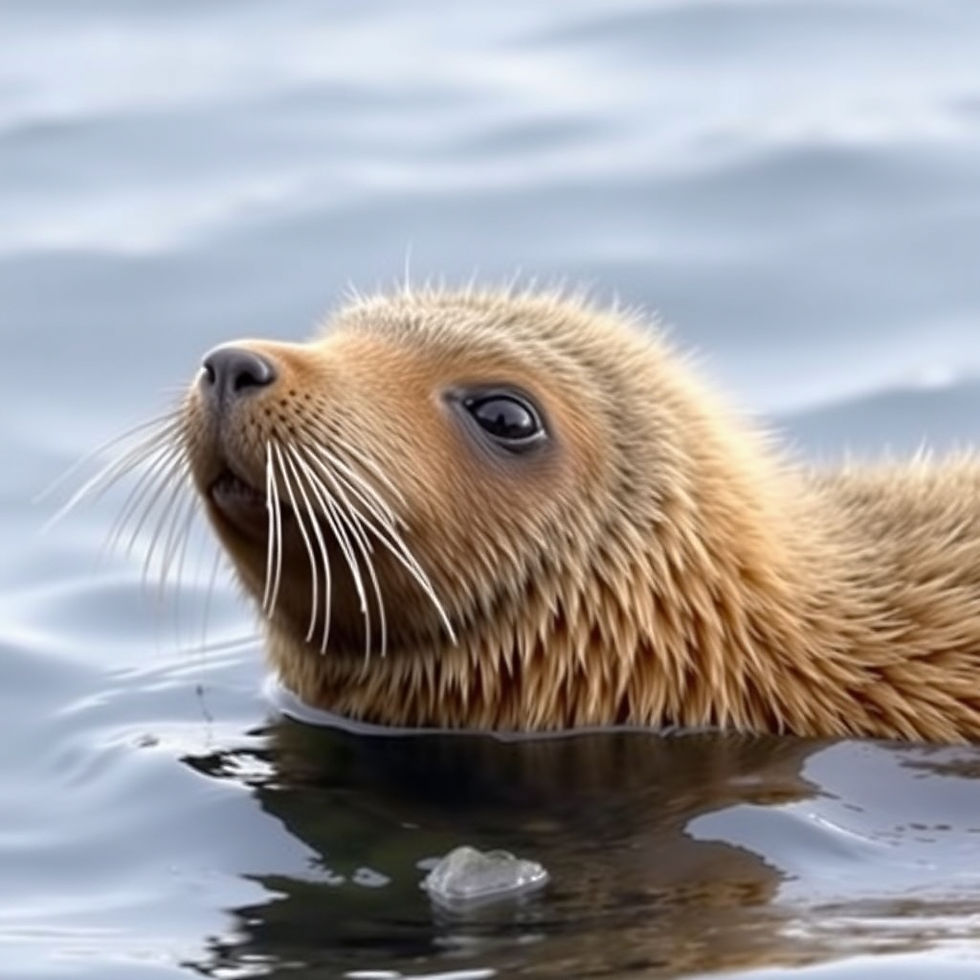
Seals are the easy win. Ytri Tunga beach on Snaefellsnes is the best known spot within day-trip range, and seals haul out on the rocks there through much of the year. No tour, no fee, a short walk from the car park. Keep your distance and let them be.
Arctic foxes are Iceland's only native land mammal, which surprises people. They are also shy, thinly spread and mostly nocturnal in habit. Near Reykjavik a sighting is luck rather than planning.
Reindeer live in the east of the country and are not a realistic day trip from the capital.
Icelandic horses are everywhere, in fields, along roadsides, all year. They are famously curious and will often come to a fence. Two rules: do not feed them, because it can make them ill and it is genuinely unwelcome to farmers, and always ask before entering any field.
Birds beyond puffins are the underrated part. Eider ducks, oystercatchers, whimbrel, terns. In summer, expect Arctic terns to dive at your head if you walk near a nesting area. Hold something above you and move away calmly. They are not joking.
Month By Month, Honestly
January to March. Whale watching only, weather permitting, with a good chance of orcas. Seals year round.
April. Puffins begin arriving late in the month. Migratory birds return. Whale season builds.
May to July. The full deck. Puffins on the cliffs, peak whale variety, endless daylight to see it all in, birds everywhere.
Early August. Puffins still possible early in the month, whales excellent.
Late August to October. Puffins gone. Whales still very good. Autumn light is the best of the year for photography.
November and December. Whale watching continues weather permitting. Wildlife takes second place to the aurora, and reasonably so.
Booking It Without Being Disappointed

A few things worth knowing before you pay.
Check what happens if it is cancelled. Winter sailings are genuinely weather dependent and cancellations are normal rather than exceptional.
Book early in your stay, not last. That way a cancellation leaves room to rebook rather than ending the possibility.
Morning sailings are often calmer, which matters if anyone is prone to seasickness. Take something beforehand rather than hoping.
Dress for two seasons colder than the land. Wind on open water is a different animal.
Be sceptical of guarantees. Wildlife does not read the schedule, and the good operators say so plainly.
From the villa in Kopavogur the old harbour is a short drive, which makes an early sailing far less painful than it sounds.
Frequently Asked Questions About Iceland Wildlife

When can you see puffins in Iceland?
Roughly late April to early August. Puffins spend most of the year at sea and only come ashore to breed, leaving once the chicks have fledged. By the second half of August the colonies are usually empty. If seeing them matters, it should influence when you book your trip rather than what you do once you arrive.
Can you go whale watching in Iceland in winter?
Yes. Boats sail from Reykjavik all year, though winter sailings are weather dependent and cancel more often. Summer gives you more species and calmer seas. Winter gives you fewer boats, colder conditions and a genuine chance of orcas, which many people rate as the better experience.
What whales can you actually see in Iceland?
Minke and humpback whales are the most commonly sighted from Reykjavik, alongside white-beaked dolphins and harbour porpoises. Orcas appear more frequently in winter and spring. Blue whales are occasionally seen but far more often from the north of the country in summer than from the capital.
Are whale watching tours guaranteed?
No, and any operator implying a guarantee is overselling. Most reputable companies offer a free repeat sailing if nothing is seen, which is the policy worth checking before booking. Wildlife tours are a matter of probability, and the honest operators are upfront about that.
Where can you see seals near Reykjavik?
Ytri Tunga beach on the Snaefellsnes peninsula is the best known spot within day-trip range, with seals hauling out on the rocks through much of the year. There is no fee and no tour required, just a short walk from the car park. Keep a respectful distance and do not attempt to approach them.
Can you see Arctic foxes in Iceland?
They are Iceland's only native land mammal, but they are shy, thinly distributed and hard to spot. Sightings anywhere near Reykjavik are a matter of luck rather than something you can plan a day around. The Westfjords offer better odds, but that is a trip in itself rather than a day out.
Come For The Season You Want
Iceland's wildlife is genuinely spectacular and it is also genuinely seasonal.
Decide what you most want to see, then let that choose your month. Puffins mean early summer. Orcas mean winter. Whales work all year, and the seals will be on the rocks either way.
Iceland SJF Villa sits in Kopavogur, a short drive from Reykjavik's old harbour and the boats that leave from it. Hot tub and sauna for warming up afterwards, which after a winter sailing is not a small thing.


Comments