You Cannot Just Walk Onto A Glacier: What An Iceland Ice Day Actually Involves
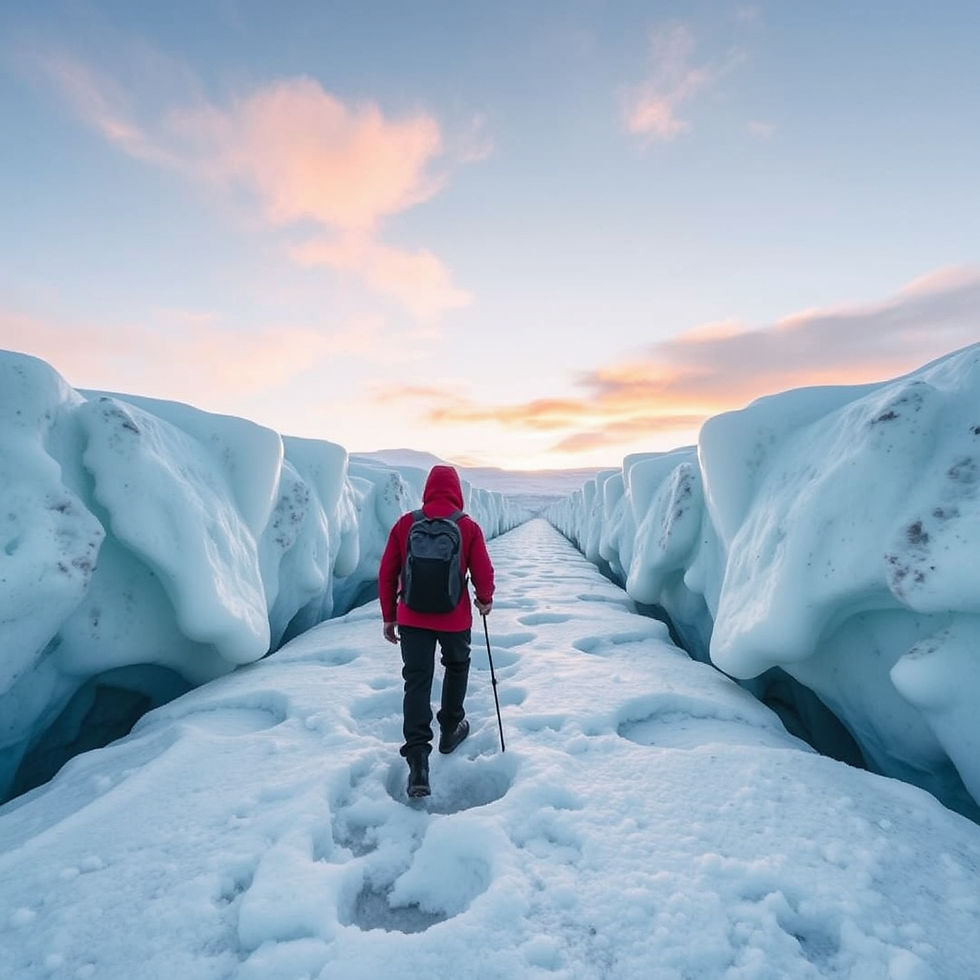
Roughly a tenth of Iceland is under ice. You can see glaciers from the road, from the air on the way in, and on a clear day from parts of the capital area.
Which is exactly why people assume they can simply drive up and walk onto one.
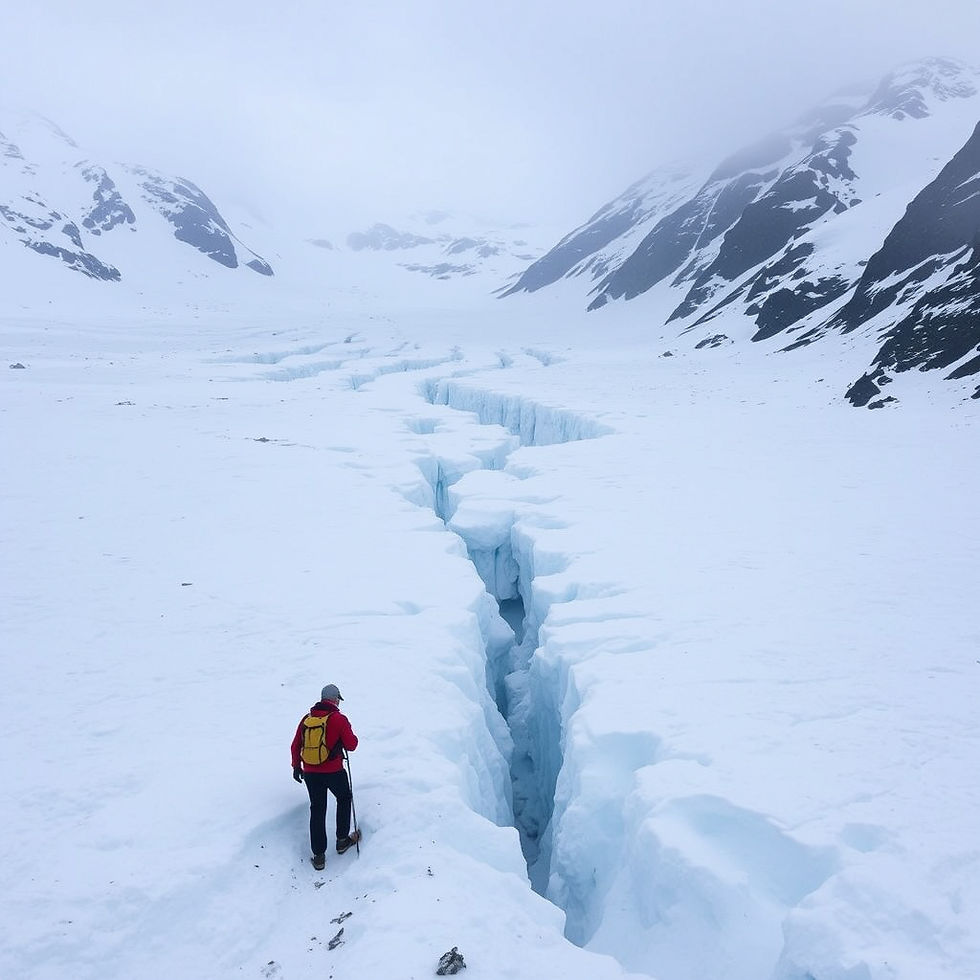
You cannot, and the reason matters. A glacier is not a big frozen field. It is a moving body of ice full of crevasses, some of them deep, many of them hidden under a thin bridge of snow that will hold a bird and not a person.
Here is what a glacier day actually involves, and how to choose one worth doing.
Why Every Glacier Trip Is Guided
Three things make unguided glacier walking genuinely dangerous rather than merely inadvisable.
Crevasses. Deep splits in the ice, frequently covered by snow that looks identical to the ground around it. Guides know where the current ones are, and the word current is doing a lot of work, because they move.
The surface changes constantly. Melt, refreeze, fresh snow, rain. A route that was safe last week may not be this week. This is why guided routes are re-checked rather than fixed.
Equipment is not optional. Crampons, an ice axe, a harness on some routes. Reputable operators supply all of it and show you how to use it, which is part of what you are paying for.
Guiding is not a formality here. It is the activity.
Glacier Walks Versus Ice Caves
These get talked about as one thing and they are not.
A glacier walk is a guided hike on the surface of the ice, fitted with crampons. You see crevasses from a safe distance, meltwater channels, the strange blue of compressed ice, and often volcanic ash layers. Available all year, because the surface is always there.
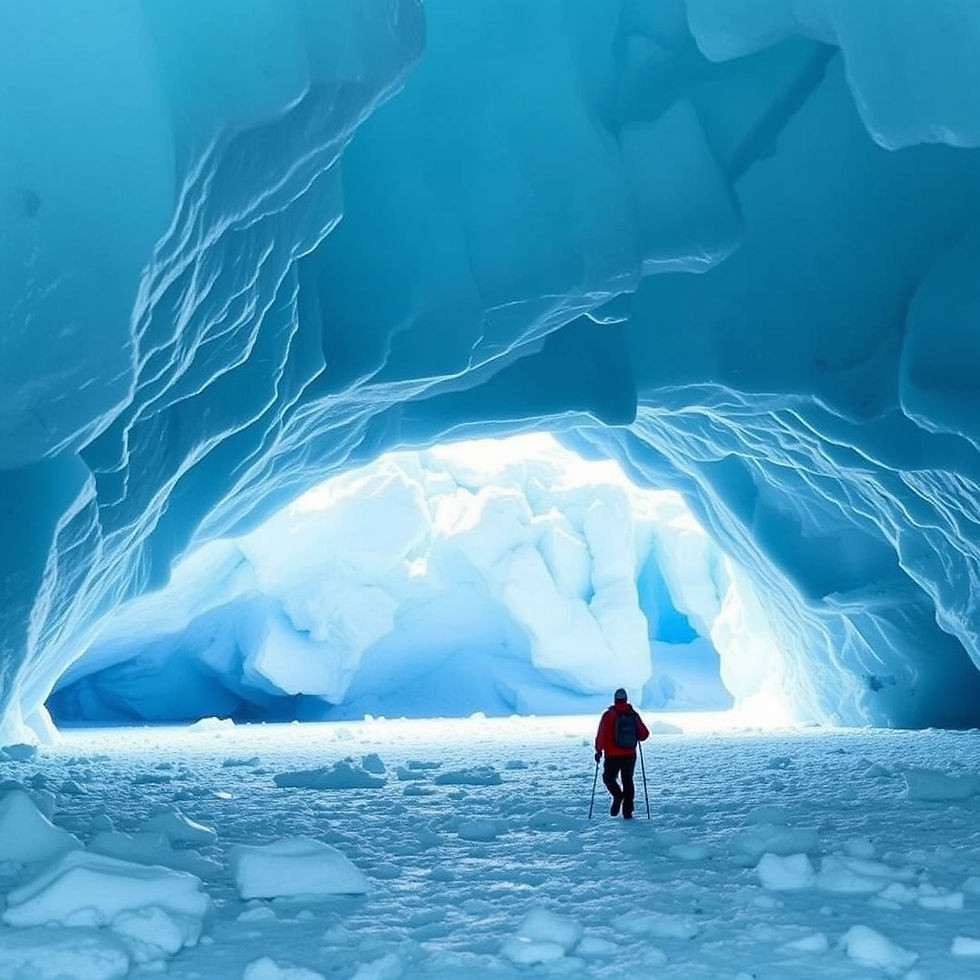
A natural ice cave is a cavity formed inside or beneath the glacier by meltwater. They are extraordinary, and they are seasonal, roughly November to March, because they need cold to be structurally stable. In summer the same caves are melting and unsafe.
An ice tunnel is man-made, carved into the ice and maintained. Open year round, and an honest alternative in summer, though it is a different experience and the good operators describe it accurately.
If somebody offers you a natural ice cave in July, ask exactly what you are booking. It will be a tunnel, or it will be somewhere that is not really a glacier cave.
What The Day Actually Looks Like
From Reykjavik this is a long day, so know that going in.
The glacier tongues most used for tours sit on the south coast, a few hours away by road. Expect ten to twelve hours door to door.
The pattern is consistent. Drive down, meet the guide at a base near the glacier, get fitted with crampons and a helmet, walk a short distance to the ice, spend one to two hours on the glacier for an introductory trip, walk back, drive home.
Actual time on the ice is shorter than most people expect. That is normal. The fitting, the safety briefing and the approach all take real time, and none of it is padding.
Many operators combine a glacier walk with south coast waterfalls and a black sand beach, which makes better use of the drive.
Choosing A Trip Without Getting It Wrong

Match the difficulty honestly. Introductory walks are moderate: one to two hours on relatively even ice. Longer hikes and ice climbing are a different level of effort. Book the one you will enjoy rather than the one that sounds impressive.
Check the minimum age. Most operators set one, commonly around eight to ten for basic walks and higher for caves. Do not assume.
Check the group size. Smaller groups mean more attention and usually a better day.
Check what is included. Crampons, helmet and axe should be provided. Boots sometimes can be hired and sometimes cannot.
Check the weather policy. Glacier trips cancel, and it is the right decision when they do. Understand what happens to your money before you pay.
Book early in your stay. A cancellation on day two can be rebooked. A cancellation on the last day cannot.
What To Wear, Which Operators Are Strict About

This is the part where people get turned away at the meeting point, so it is worth taking seriously.
Waterproof walking boots above the ankle. This is the non-negotiable one, because crampons need a stiff boot to attach to properly. Trainers will not be accepted, and hire is not always available.
Warm layers, a fleece or similar, plus a waterproof and windproof outer layer.
Gloves and a hat. Wind on ice is a different order of cold.
Sunglasses. Glare off ice on a bright day is genuinely uncomfortable.
Water and something to eat. There is nothing up there.
Leave anything you do not want to drop in a crevasse in the car. Phones go on wrist straps or in zipped pockets.
Is It Worth It?

Honestly, yes, and for a specific reason.
You can look at a glacier from a car park and it registers as scenery. Standing on one changes the scale of it. You hear meltwater running underneath, see ash layers marking eruptions, look into blue that does not exist anywhere else, and understand that the whole thing is moving.
It is the activity guests most often come back describing as the highlight, ahead of the lagoons and often ahead of the aurora.
From the villa in Kopavogur you are on the south coast road quickly, which takes a useful bite out of an early start.
Frequently Asked Questions About Iceland Glacier Tours
Can you walk on a glacier in Iceland without a guide?
No, and it should not be attempted. Glaciers contain crevasses that are frequently hidden beneath thin snow bridges, and the safe route changes with melt, refreeze and fresh snowfall. Every reputable glacier experience in Iceland is guided, with crampons, helmet and instruction included in what you pay for.
When can you visit ice caves in Iceland?
Natural ice caves are a winter activity, roughly November to March, because they need sustained cold to remain structurally stable. Man-made ice tunnels operate year round and are an honest summer alternative. If an operator offers a natural ice cave in midsummer, ask precisely what you are booking.
Are glacier hikes suitable for children?
Most operators set a minimum age, commonly around eight to ten years for introductory glacier walks and higher again for ice caves and ice climbing. It varies between companies and between specific tours, so check the individual trip rather than assuming a general rule applies.
How fit do you need to be for a glacier hike?
Introductory walks are moderate rather than strenuous, typically one to two hours on relatively even ice with a short approach walk. Longer glacier hikes and ice climbing require considerably more. Choose based on what you will genuinely enjoy rather than what sounds most impressive.
What should you wear on a glacier in Iceland?
Warm layers, a waterproof and windproof outer, gloves, a hat, sunglasses, and sturdy waterproof walking boots that come above the ankle. Boots are the item operators are strict about, because crampons need a stiff boot to attach to. Trainers will not be accepted and hire is not always available.
Can you do a glacier trip as a day trip from Reykjavik?
Yes, but treat it as a full day. The glacier tongues most used for tours are on the south coast, a few hours' drive away, so ten to twelve hours door to door is realistic. Many operators combine the glacier with south coast waterfalls and a black beach, which makes better use of the driving.
Stand On It Once

A glacier from the road is scenery. A glacier underfoot is something else entirely.
Book early in your stay, wear proper boots, pick the difficulty honestly, and accept that if the guide calls it off, they are right.
Iceland SJF Villa sits in Kopavogur, minutes from the south coast road and the glaciers beyond it. Hot tub and sauna waiting when you get back, which after a day on the ice is exactly what you want.


Comments